Test and tag for NDIS providers: a guide for testers
Is test and tag required for NDIS providers? What the Practice Standards and WHS law say, whose equipment to test in SIL homes, and how to run the work well.
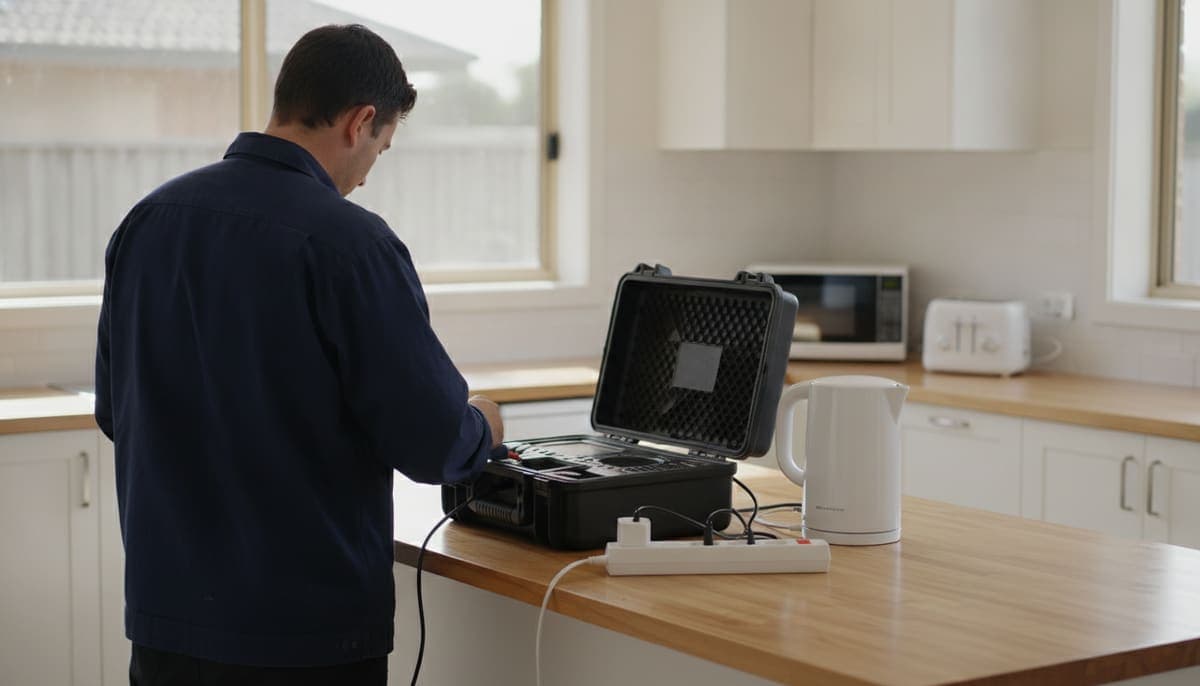
Test and tag for NDIS providers isn't set by any NDIS-specific rule. The NDIS Practice Standards don't mention testing and tagging at all. NDIS providers book test and tag because the same work health and safety (WHS) and electrical safety laws that cover every other business also cover them, and because registered providers must show they manage WHS risks. For a tester, that means NDIS work is ordinary test and tag in an unusual setting: lots of small sites, many of them people's homes.
This guide is for test and tag operators who want to work with NDIS and disability service providers. It covers what the rules actually say, whose equipment is in scope, and how to run visits so providers keep booking you.
General information only, not legal advice. Check your state or territory's WHS and electrical safety laws, the NDIS Commission's current guidance, and AS/NZS 3760 for your situation.
What the NDIS rules say (and don't)
The NDIS Quality and Safeguards Commission sets the NDIS Practice Standards that registered providers are audited against. Two parts are relevant to equipment:
- Safe environment. The outcome is that each participant "accesses supports in a safe environment that is appropriate to their needs", including in their own home (NDIS Commission: provision of supports environment). The indicators deal with things like emergencies, infection control and cleaning. Electrical testing isn't named.
- Risk management. Registered providers need a documented risk management system that covers work health and safety, among other areas, and risks to participants and workers must be "identified, analysed, prioritised and treated" (NDIS Commission: governance and operational management).
So when a provider says "we need test and tag for our NDIS audit", what they usually mean is that test and tag is how they show one WHS risk is being managed. The legal requirement itself comes from WHS and electrical safety law.
Where the legal requirement comes from
SafeWork NSW is clear that when providers or support workers work in a participant's home, or transport a participant, "these spaces are considered workplaces" (SafeWork NSW: WHS guidance for NDIS providers). The provider is a person conducting a business or undertaking (PCBU) with the main duty to manage those risks. SafeWork NSW adds that participants, nominees or support coordinators may also be PCBUs, often with shared duties.
What that means for electrical equipment depends on the state:
- Most states and territories follow the model WHS Regulations. In NSW, clause 150 requires plug-in equipment to be regularly inspected and tested by a competent person when it's used in a higher-risk environment, such as wet areas, outdoors or commercial kitchens. Equipment in lower-risk areas still falls under the general duty to manage electrical risks.
- Queensland uses its own Electrical Safety Regulation, with legal maximum intervals by type of work. Disability support would most likely sit under "service work", which the Regulation's examples describe as including health services and childcare. Confirm the category with the provider or the Electrical Safety Office before you quote. Our guide to Queensland test and tag requirements explains service work and the safety switch alternative.
How often to test is a separate question. AS/NZS 3760 gives indicative intervals by environment, and a group home can contain several: a residential bedroom, a hard-working laundry and a kitchen. Our test and tag frequency guide sets them out, so you can agree intervals per area rather than per house.
Whose equipment do you test?
This is where NDIS jobs differ from an office or a café. In one home you might find:
| Equipment | Usually owned by | Notes |
|---|---|---|
| Kitchen and laundry appliances, vacuums, heaters, office equipment | The provider | The core of the job. Laundries and kitchens are often the hardest-working areas. |
| Extension leads and powerboards | Either | The items most often missed, and Queensland's Regulation names them specifically. |
| Personal items in a participant's room: TV, phone charger, hair dryer | The participant | Agree in writing whether these are in scope, and get consent to enter the room. |
| Powered beds, hoists, wheelchairs and other assistive technology | The participant or provider | Usually serviced to the manufacturer's instructions, often by a separate AT technician. |
| Medical electrical equipment | Varies | Outside the scope of AS/NZS 3760. It's covered by AS/NZS 3551, so don't test it as ordinary equipment. |
Treat the participant's own belongings with care. It's their home, not just a site. A simple rule works well: the provider confirms in writing which items you're testing and that the participant (or their nominee) has agreed. If you find a faulty personal item, tag it out and tell the provider. Don't take it away.
Running the visits well
NDIS work rewards operators who are easy to have in the house. A few practices that help:
- Book around the household. Ask the house leader for a quiet window. Avoid mealtimes and personal care routines, and expect plans to change on the day.
- Expect worker screening questions. Contractors working for a registered provider in a risk-assessed role need an NDIS Worker Screening Check, and some providers ask every worker to have one (NDIS Commission: worker screening). Ask at the quote stage, because a check can take time.
- Keep each home as its own site. A provider with eight homes wants to see each home's register, results and due dates separately, not one long list.
- Tell staff before you switch things off. Turning off a powerboard can switch off something a participant relies on. Check with staff first.
- Report failures the same day. A failed kettle in a shared house needs replacing quickly. A short list of failures, with the room and photo, helps the house leader act.
Records providers can find later
Providers often need a certificate at short notice: for an audit, an insurer or a new house manager. Test certificates scattered across emails make that slow. The fix is a register per home, certificates attached to each visit, and a way for the provider to look things up themselves.
That's how one SIL provider works with Ampcare, a Brisbane test and tag business. Read how the SIL provider uses its Koalaris portal to find certificates and servicing history across its homes.
Doing test and tag and AT together
Many operators who work with NDIS providers also service assistive technology: hoists, electric beds and shower chairs. Keeping both in the same register for each client means one visit, one report and one place to look. Koalaris handles both, with bulk recording for AT rounds. See assistive technology servicing software for how that works.
Frequently asked questions
Is test and tag mandatory for NDIS providers?
Not under the NDIS rules themselves. The duty comes from your state's WHS or electrical safety laws, which apply to NDIS providers like any other business. Registered providers also need a risk management system that covers WHS, and test and tag records are a straightforward way to show electrical risks are managed.
Is a participant's home a workplace?
Yes, while work is being done there. SafeWork NSW says a participant's home is a workplace when NDIS providers or support workers work in it. Duties can be shared between the provider and the participant or their representatives.
Do I need an NDIS Worker Screening Check to test and tag?
It depends on the provider. Contractors need one if they work for a registered provider in a risk-assessed role, or if the provider has decided all its workers need one. Ask each provider before your first visit.
Should I test medical equipment in a group home?
Not as ordinary test and tag. AS/NZS 3760 doesn't cover medical electrical equipment, which falls under AS/NZS 3551. Refer it to the provider's medical equipment servicer, or to the manufacturer.
Start with your first NDIS client today. Koalaris is free with no card and no end date: unlimited items, clients and sites, the offline field app, certificates with your logo and a free portal for each client. See the AT and test and tag features.

Koalaris is test and tag software built in Australia. See what it does.
Keep reading
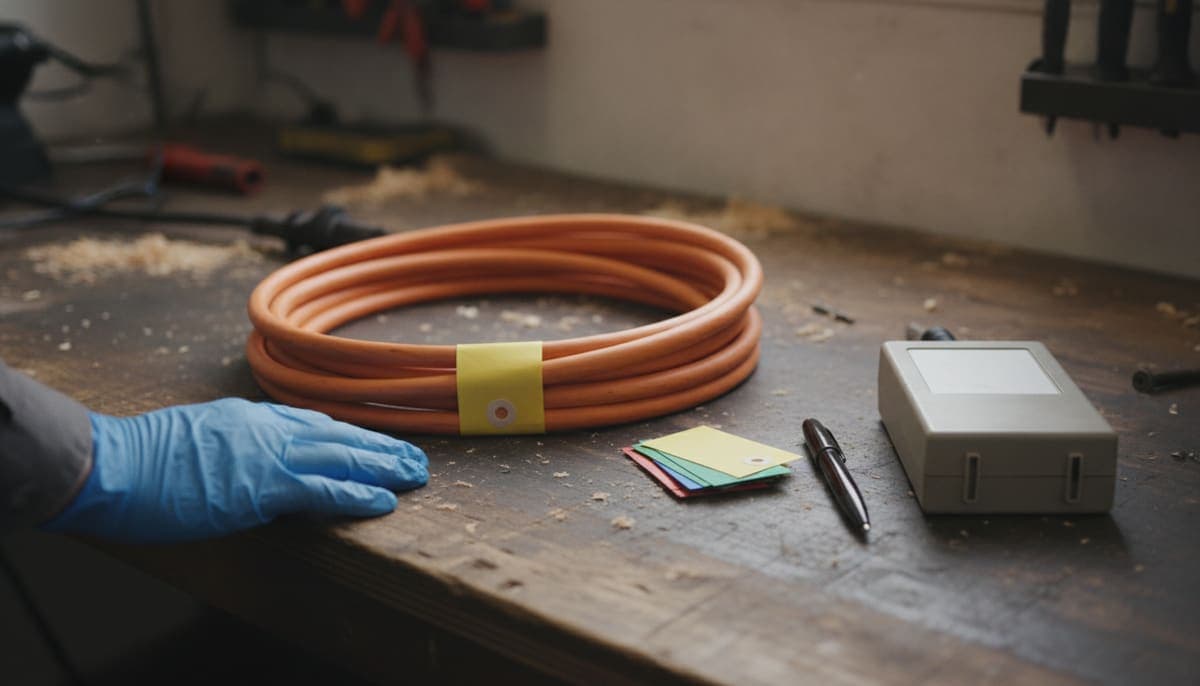 Compliance
Test and tag colours: what they mean and what a tag must show
What test and tag colours mean, whether colour coding is required, and what details a test tag must show in NSW, WA, QLD and on construction sites.
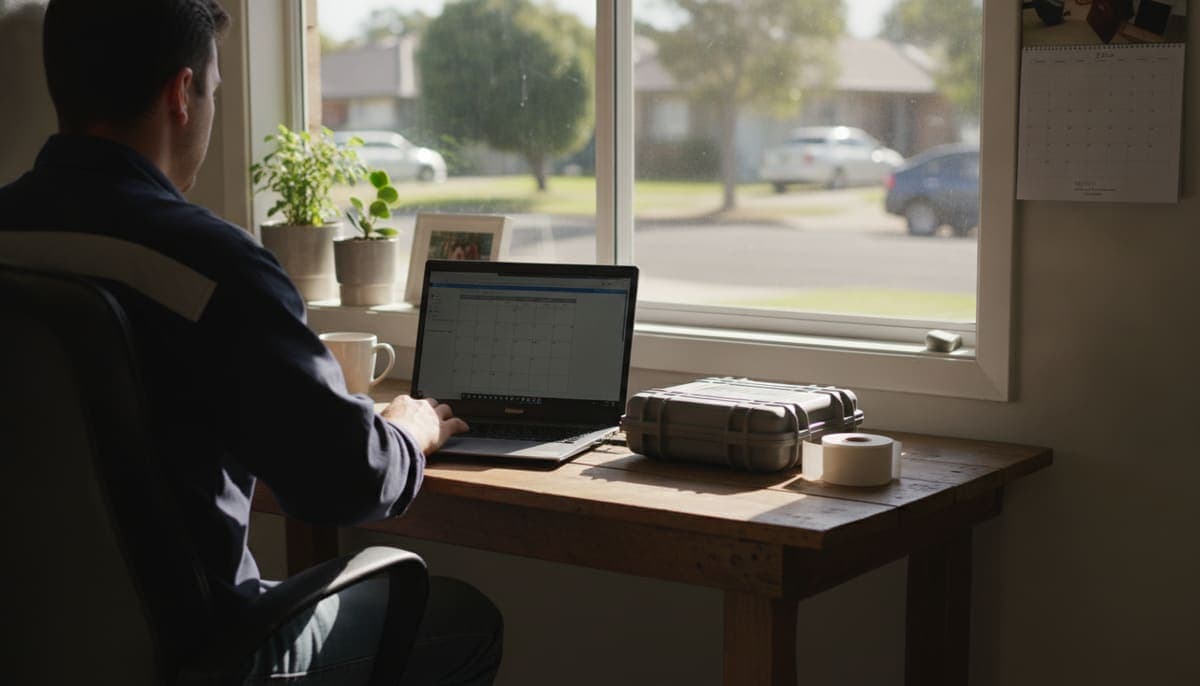 Guides
Test and tag retest reminders: managing rebookings across many clients and sites
How to run test and tag retest reminders across many clients and sites: due dates per item, a monthly look-ahead, timed contact, grouped visits and spam rules.
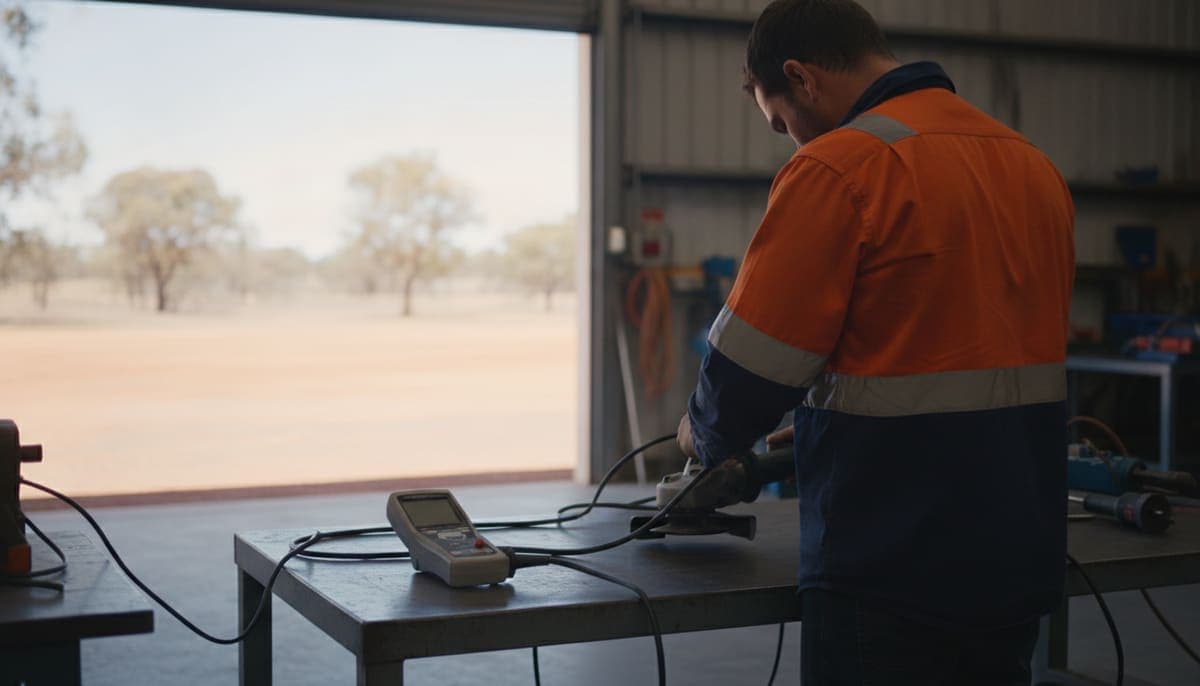 Compliance
Test and tag requirements in WA: what the WHS laws say
Is test and tag mandatory in WA? What the WHS (General) Regulations 2022 require, WorkSafe WA's suggested intervals, who can test, RCDs and records to keep.
See your register the way Lyra sees it.
Start free, for as long as you like. No card needed.