How often does equipment need testing and tagging? A plain-English guide
Re-test intervals for test and tag in Australia, explained simply: what sets them, typical intervals by environment, and how to keep track of every due date.
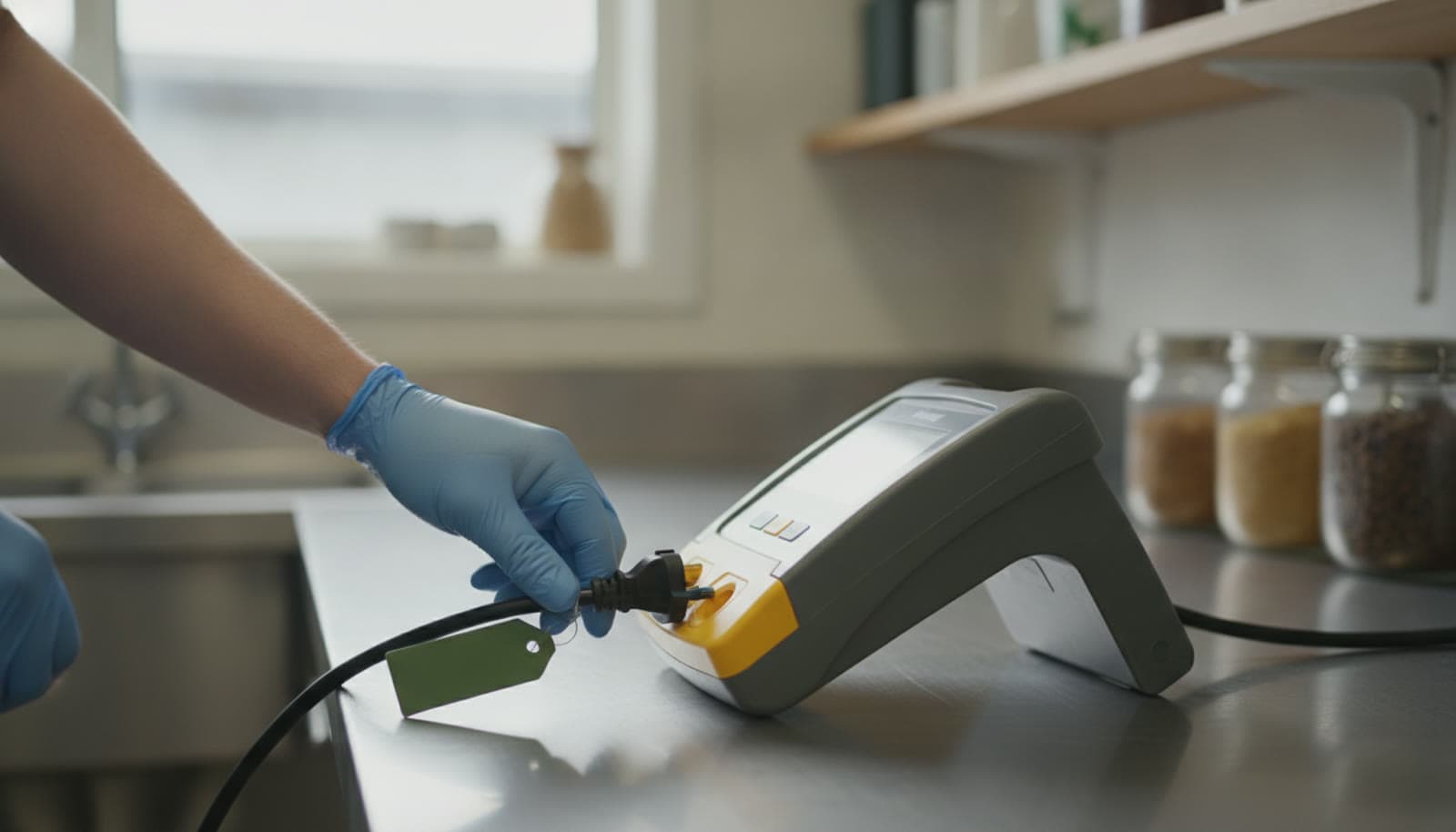
"How often do we need to do this?" is the question every test and tag business hears. The honest answer is: it depends on where the equipment is used, and on the rules that apply in your state and industry. This guide explains what sets the interval, the typical intervals people work to, and how to keep track of them without a diary.
This is general information, not legal advice. Always check the current edition of AS/NZS 3760 and your state or territory's electrical safety and WHS regulator.
What sets the re-test interval?
Three things usually decide how often an item is tested and tagged:
- The environment it's used in. A kettle in an office kitchen has an easier life than a grinder on a building site. Harsher environments mean shorter intervals.
- The law and standards that apply. In Australia, the in-service safety inspection and testing standard is AS/NZS 3760. Some states and industries (construction and mining especially) have their own requirements on top of it.
- The business's own risk assessment. Under work health and safety laws, the person conducting the business is responsible for managing electrical risks. They can choose to test more often than the minimum.
Typical intervals by environment
The intervals below are the ones most commonly worked to under AS/NZS 3760. Treat them as a starting point and confirm them for each client.
| Environment | Typical interval |
|---|---|
| Building, construction and demolition sites | Every 3 months |
| Hire equipment | Inspected before each hire, tested every 3 months |
| Factories, workshops and production areas | Every 6 months |
| Commercial cleaning equipment | Every 6 months |
| Equipment that's flexed, open to abuse or in a hostile environment | Every 12 months |
| Residential areas of hotels, hostels and similar | Every 2 years |
| Offices and other environments where cords aren't flexed or abused | Every 5 years |
Equipment that has been repaired, serviced or bought second-hand should be inspected and tested before it goes back into use.
Why "hostile environment" matters so much
Most disagreements about intervals come down to one question: is this a hostile environment? A cord that gets run over, wet, bent or knocked about is at higher risk, even if it's in a building you'd call an office. Commercial kitchens, workshops, aged care laundries and school science rooms often land here.
When in doubt, agree the environment with the client up front and write it down against the site. That decision drives every due date that follows.
Keeping track of every due date
The test is the easy part. Remembering that 214 items at one client fall due in March, and 37 at another in May, is where spreadsheets and diaries let people down.
A good register should:
- Work out the next due date for you from the test date and the interval for that site.
- Show what's due by client and site, weeks ahead, so you can book visits instead of chasing them.
- Let the client see it themselves, so "are we compliant?" doesn't become an afternoon of digging.
That's what Koalaris does: every test you log in the field app sets the item's next due date, and the overview shows the year ahead across every client. See how the register works.
Quick checklist for each new client
- Agree the environment for each site, and the interval that goes with it.
- Import or build the register before the first visit.
- Note anything the client wants done more often than the minimum.
- Give the client their own portal login so they can check status any time.
Next: How to move your test and tag register off spreadsheets

Koalaris is test and tag software built in Australia. See what it does.
Keep reading
 How-to
How to move your test and tag register off spreadsheets
A step-by-step guide to moving your test and tag records from Excel into a live register, without losing history or retyping a thing.
 Assistive technology
Keeping good service records for assistive technology
What to record when you service hoists, beds and mobility equipment, and how to share it with care providers without the paperwork.

See your register the way Lyra sees it.
Start a 14-day free trial of Pro. No card needed.