Adding test and tag to an electrical business: a practical guide
How electricians add test and tag: who on your crew can test, licence checks, pricing it so it pays, handling repairs, and what software an electrician needs.
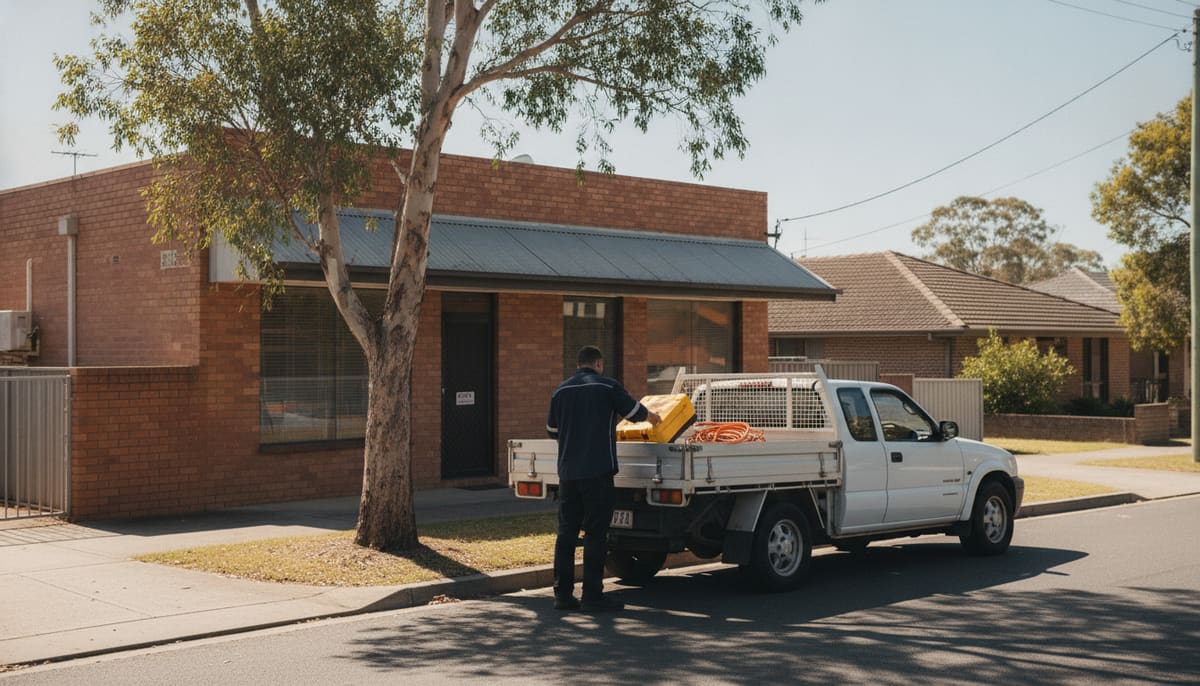
Adding test and tag to an electrical business is mostly a business decision, not a licensing one. Licensed electricians are generally accepted as competent to test and tag under AS/NZS 3760, and you can repair what fails, which a test-and-tag-only operator can't. To make it pay, you need four things:
- The right person on the job. Often that's not your most expensive licensed worker.
- A licence check for the business, especially in Queensland.
- Per-item pricing with a minimum charge, so small jobs don't eat licensed hours.
- Test and tag software that tracks every item and retest date, alongside the job management software you already use.
This guide covers each one, plus how to handle the repairs that testing turns up.
General information only, not legal or licensing advice. Check the current edition of AS/NZS 3760 and confirm your licence scope with the electrical safety regulator in each state or territory you work in.
Why electricians add test and tag
Test and tag is repeat work. Equipment is retested at set intervals, so a client who books you once should book you again on a schedule. For an electrical business, it does three other useful things:
- It puts you on site regularly. You see the worn power points, the overloaded powerboards and the switchboard that needs attention, and the client already trusts you.
- Failures can turn into repair work. A test-and-tag-only operator has to send failed items elsewhere. You can quote the repair yourself.
- It fills gaps in the schedule. Testing can be booked around bigger jobs, and it can be done by a trained, non-licensed team member.
The trade-off is margin. Testing a kettle doesn't earn what installation work does, and the admin (tags, records, certificates, retest reminders) adds up fast across many small clients. Plan for both before you take on the first contract.
Who on your crew can test and tag
The rule in every state is that testing is done by a competent person. Regulators generally list a licensed electrician as one kind of competent person, alongside someone who has completed a structured course in pass/fail testing. For example, the NSW code lists a licensed or registered electrician, or a person trained and deemed competent with a pass-fail portable appliance tester (SafeWork NSW).
Two points matter for an electrical business:
- A licence isn't a substitute for knowing the standard. WorkSafe Queensland says businesses should look for evidence such as the unit UEERL0003, recent test and tag experience for non-licensed workers, or an electrical work licence with experience (WorkSafe Queensland). If you've never used a portable appliance tester or read AS/NZS 3760, get familiar with both before you charge for it.
- The tester can be someone else. Many electrical businesses train a non-licensed team member in UEERL0003 Conduct in-service safety testing of electrical cord connected equipment and cord assemblies to do the routine testing. WorkSafe Victoria draws the line clearly: some people are only competent to do a pass/fail test, while a licensed electrician can also repair the defects testing finds (WorkSafe Victoria).
The second option is usually what makes the numbers work. Your licensed workers stay on licensed work, and the repairs come back to them.
Check what your business licence covers
The person needs competence. The business may need a licence that covers the work.
In Queensland, WorkSafe Queensland says a business that does testing and tagging work must hold an electrical contractor licence permitting that work. If you hold a restricted electrical contractor licence, you need to check whether it covers testing and tagging or needs an extra endorsement. The scope of a restricted contractor licence follows the licence of its nominated qualified technical person (WorkSafe Queensland). If you aren't sure, contact the Electrical Safety Office before you quote.
Other states frame test and tag around competence rather than a separate test and tag licence, but repairs are electrical work everywhere. Our test and tag requirements by state guide links to each regulator and covers who can test in each jurisdiction.
Two more things to check:
- Insurance. Ask your broker whether your current policy covers test and tag as a separate service, including the advice you give on failed items.
- Construction and mining. Construction sites follow AS/NZS 3012, and mining has its own rules. Confirm the requirements before you quote that work.
Price it so it doesn't eat licensed hours
The fastest way to lose money on test and tag is to quote it at your normal hourly rate and then send a licensed electrician to test 40 items in a small office. The client balks at the hourly figure, or you discount it and the job pays less than the work you turned down.
Most test and tag businesses charge per item, with a minimum charge per visit, and price repairs separately. That structure suits an electrical business too:
- Per item for testing, with lower rates for high volumes on one site.
- A minimum charge so a five-item visit still covers travel and setup.
- Repairs quoted separately, at your normal rates, with the client's approval before you start.
- RCD testing listed as its own line if you test fixed safety switches.
Our guide on how to price test and tag work covers per-item rates, minimums and call-out fees in detail.
Handle repairs the right way
Repairs are where an electrical business has a real advantage, and also where it can go wrong if the paperwork is loose.
- Tag the item out first. A failed item is tagged out of service and removed from use, whether or not you're repairing it that day.
- Get approval before repairing. The client agreed to testing, not to repairs. Quote the repair, or agree a limit in advance (for example, replacing plugs up to a set amount).
- Retest after the repair and record the new result against the same item, so the history shows the failure, the repair and the pass.
- Keep the records together. The register should show what failed, why, and what happened next. Clients and auditors ask for exactly this.
In Queensland, the tag can identify who did the test by the tester's name, the electrical contractor licence number, the company name or the tester's electrical worker licence number. Check the tag rules in each state you work in.
What software an electrician needs for test and tag
Your job management software handles quotes, scheduling and jobs. Test and tag needs something different: a record of every item at every client site, with its test history and next due date. A site with 300 items is 300 records, and they all come due again.
Whatever you use, look for:
- An equipment register per client and site, with each item's history.
- A field app that works with no signal, because plant rooms and basements rarely have any.
- Tags printed on site and certificates with your logo.
- Retest due dates you can see across all clients, so you can rebook before the client's next audit.
- A way to import results from your tester's export file instead of retyping them.
- A client view, so clients can check their own register without ringing the office.
Koalaris is built for this. It's test and tag software with an equipment register for every client and site, an offline field app, tag printing, certificates and a free client portal, and it works alongside the tester you already own. The Free plan has no card and no end date, with unlimited items, clients and sites and two team seats. The Solo plan, at $29 a month, adds invoices from the finished visit, card payments by QR code into your own Stripe account, and Xero sync.
A checklist before you take the first job
- Decide who will test: a licensed electrician, a trained team member, or both.
- Book UEERL0003 training for anyone who isn't already competent.
- Confirm your contractor licence covers test and tag (Queensland especially).
- Check your insurance covers the new service.
- Buy or confirm your tester, and its calibration date.
- Set your per-item rate, minimum charge and repair approval process.
- Set up your register, tags and certificates before the first visit.
- Tell your existing commercial clients you now offer it.
FAQ
Can a licensed electrician test and tag without extra training?
Regulators generally list licensed electricians as competent persons for test and tag. That said, WorkSafe Queensland's guidance points to an electrical work licence with experience, and you still need to know AS/NZS 3760 and your tester. A short course is worth it if you haven't done in-service testing before.
Can my apprentice or a non-licensed worker do the testing?
Someone who has completed structured training in pass/fail testing, usually the unit UEERL0003, and been deemed competent can do routine testing. They can't do repairs that count as electrical work. Check any extra rules for apprentices with your state regulator and training provider.
Do I need a separate licence for test and tag?
In Queensland, the business needs an electrical contractor licence that permits testing and tagging work, and a restricted licence may need an endorsement. Other states focus on the tester's competence. Confirm with your state's electrical safety regulator.
Can I repair the items I fail?
If you hold the right electrical licence, yes, with the client's approval. Retest the item after the repair and record both results against the same item.
Can I use my job management software for test and tag?
It can schedule the visits. Most electrical businesses also need a register that tracks each item's test history and due date, plus tags and certificates. Check that whatever you use handles both.

Koalaris is test and tag software built in Australia. See what it does.
Keep reading
 Guides
Test and tag for events and markets: a guide for operators
Test and tag for events and markets: what organisers and councils ask stallholders for, AS/NZS 3002, leads and RCDs, and how operators run event-day testing.
 How-to
Test and tag register template (free CSV) and how to fill it in
Download a free test and tag register template in CSV. What each column means, the extra columns worth adding, and how to stop Excel breaking your tag numbers.
 Guides
Changing test and tag software without losing your history
Changing test and tag software? When to switch in the retest cycle, how to keep your tags, asset numbers and old certificates, and what to tell your clients.
See your register the way Lyra sees it.
Start free, for as long as you like. No card needed.